Acupuncture & TCM
What is Acupuncture and TCM
Traditional Chinese Medicine (TCM) is a comprehensive medical system that has evolved over thousands of years. It offers a unique perspective on health, disease, and treatment, integrating various practices, philosophies, and diagnostic techniques. Here’s a deeper look into its principles, practices, and applications.
Core Principles of TCM
Qi (Vital Energy):
Definition: Qi is the life force that flows through the body, maintaining health and vitality. It is believed to circulate through a network of pathways known as meridians.
Imbalance: Illness arises from a disruption or imbalance in the flow of qi, which can be due to emotional, environmental, or lifestyle factors.
Yin and Yang:
Concept: Yin and Yang represent complementary forces. Yin is associated with qualities like coolness, darkness, and passivity, while Yang symbolizes warmth, brightness, and activity.
Balance: Health is maintained when there is a harmonious balance between Yin and Yang. An excess or deficiency of either can lead to illness.
Five Elements:
Elements: The Five Elements—Wood, Fire, Earth, Metal, and Water—represent different qualities and are linked to various organs, emotions, and seasons.
Interrelationships: Each element influences and interacts with the others, providing a framework for understanding bodily functions and relationships. For example, the Liver corresponds to Wood, the Heart to Fire, and so on.
Diagnostic Methods
TCM employs several diagnostic techniques to assess an individual's health:
Observation: Practitioners observe the patient’s overall demeanor, complexion, posture, and movements.
Tongue Diagnosis: The tongue's appearance (color, shape, coating) provides insights into the body's internal condition, reflecting the health of organs and qi.
Pulse Diagnosis: Practitioners assess the pulse at various positions on the wrist. The quality, strength, and rhythm of the pulse can indicate different health issues.
Interview: Detailed questioning about symptoms, lifestyle, emotions, and medical history helps the practitioner understand the patient’s condition holistically.
Treatment Modalities
Acupuncture:
Technique: Involves inserting fine needles into specific acupuncture points along the meridians to restore qi flow and promote healing.
Benefits: Commonly used for pain relief, stress reduction, and treatment of various conditions.
Herbal Medicine:
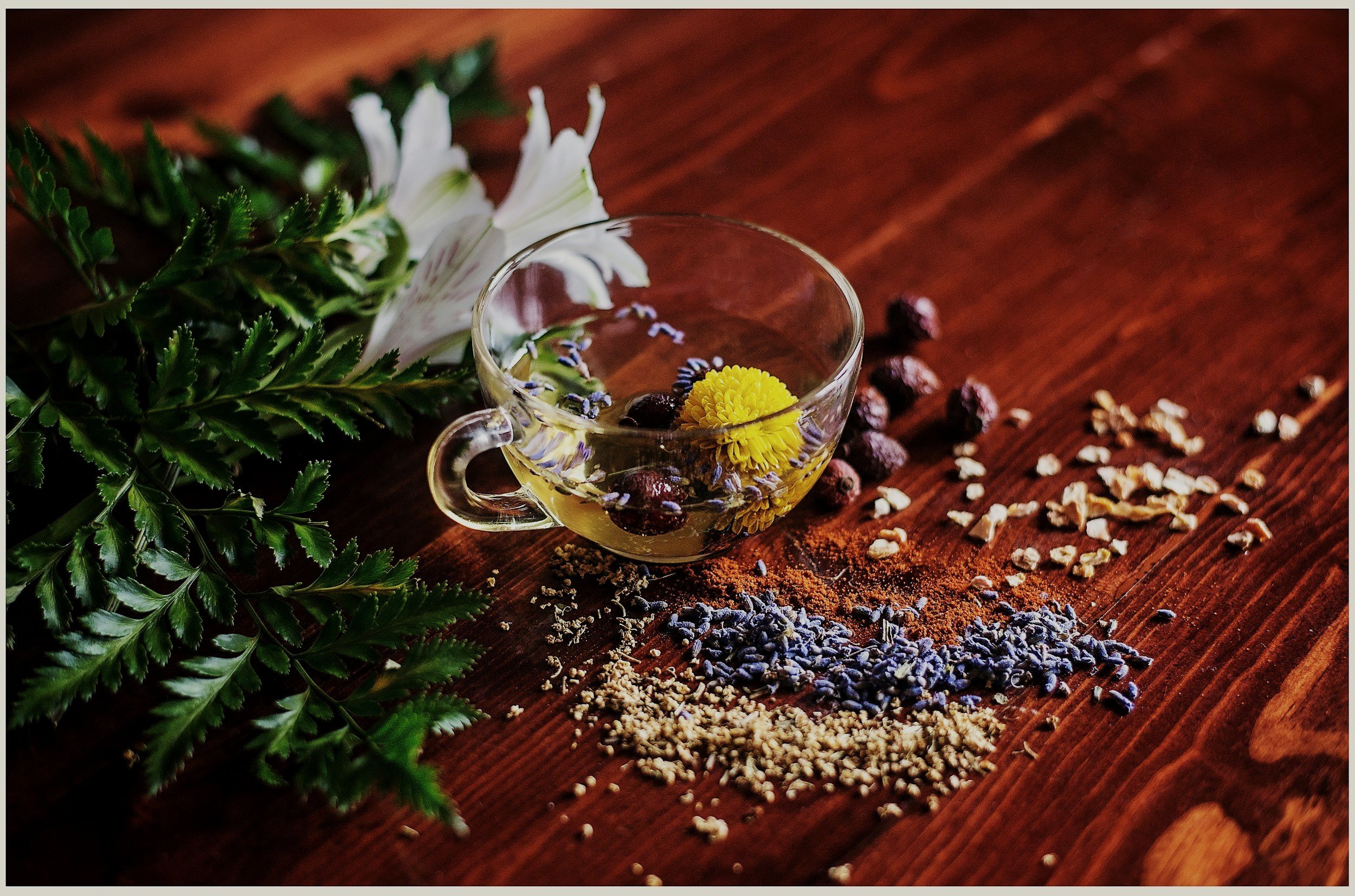
Formulations: TCM utilizes a wide range of herbs, often combined into formulas tailored to individual needs. Herbs can be in the form of teas, powders, tinctures, or pills.
Role: Herbal remedies aim to restore balance, strengthen the body, and address specific ailments.
Cupping Therapy:
Process: Cups are placed on the skin to create suction, promoting blood flow, relieving muscle tension, and enhancing overall healing.
Uses: Often used for pain relief, respiratory issues, and promoting relaxation.
Moxibustion:
Technique: Involves burning moxa (dried mugwort) near acupuncture points to warm and stimulate these areas.
Benefits: Commonly used for pain management and conditions associated with cold or dampness.
Qigong and Tai Chi:
Movement Practices: These gentle exercises involve coordinated movements, breath control, and meditation, promoting physical health and mental well-being.
Purpose: Enhance the flow of qi, improve flexibility, reduce stress, and promote relaxation.
Applications of TCM
TCM is used to treat a wide range of health conditions, including:
Pain Management: Effective for chronic pain, migraines, arthritis, and muscle tension.
Digestive Disorders: Addresses issues like irritable bowel syndrome, indigestion, and bloating.
Respiratory Conditions: Used for asthma, allergies, and colds.
Stress and Mental Health: Helps alleviate anxiety, depression, and emotional imbalances.
Women's Health: Addresses menstrual irregularities, menopause symptoms, and fertility issues.
Holistic Approach
One of the defining features of TCM is its holistic perspective. Rather than isolating symptoms, TCM views the body as an interconnected system where physical, emotional, and environmental factors influence health. Treatment is often personalized, considering the individual's constitution, lifestyle, and specific health concerns.
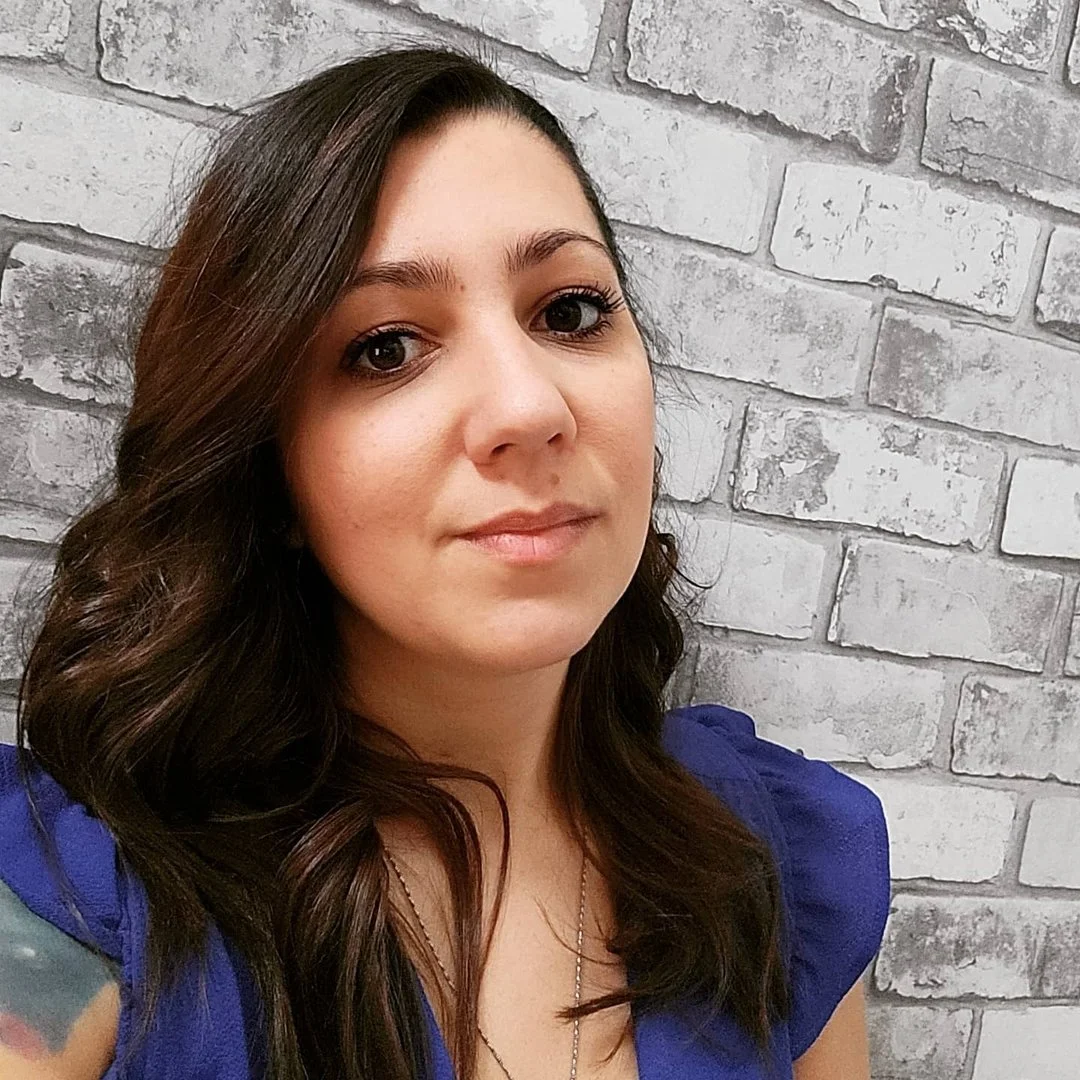
Dr. Rena Grenier, Dr. Ac.
Rena is a licensed acupuncturist who is dedicated to helping clients reconnect with their bodies, release stored tension and restore a natural sense of harmony and vitality. With specialized training in somatic practices and facial rejuvenation acupuncture, Rena blends ancient wisdom with modern therapeutic approaches to support whole-body healing.
Renas work is rooted in the belief that the body holds profound intelligence. Through gentle attuned sessions Rena guides clients in unwinding the physical and emotional patterns that contribute to stress, chronic pain and imbalance. Their approach integrates traditional Chinese medicine, nervous-system regulation, and body-based therapeutic techniques to create deep, sustainable transformation.
In addition to their somatic work, Rena offers facial rejuvenation acupuncture—an effective, non-invasive method that improves skin tone, boosts circulation, softens fine lines and enhances the body’s natural glow from within. Clients appreciate Rena’s intuitive touch, grounded presence and ability to create a safe, compassionate space for healing.
Whether clients seek emotional release, relief from physical tension or a rejuvenated complexion Rena’s holistic approach supports beauty, balance and well-being from the inside out.
-
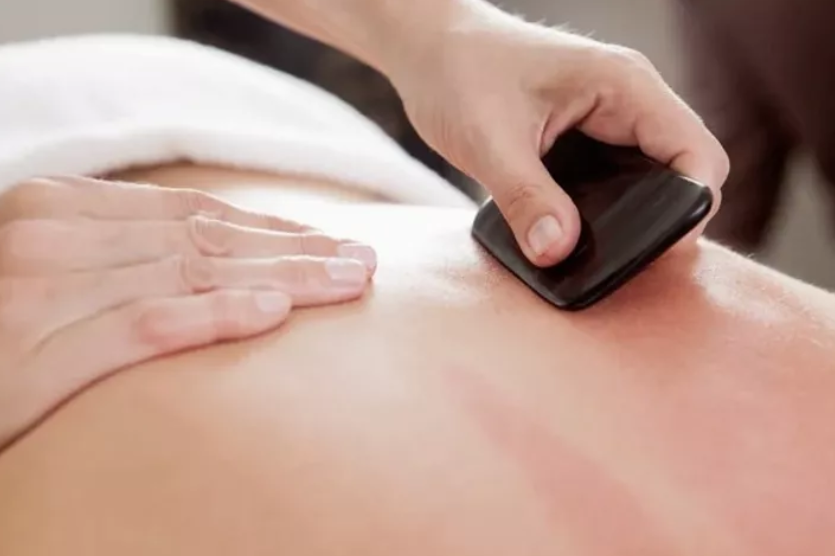
Scraping (Guā Shā)
Guā Shā is a Traditional Chinese Medicine practice in which a hard tool is scraped along the skin, producing 'shā' - or light bruising. Guā shā is used to help with blood flow, reduce pain and inflammation, increase mobility, and break down scar tissue.
-
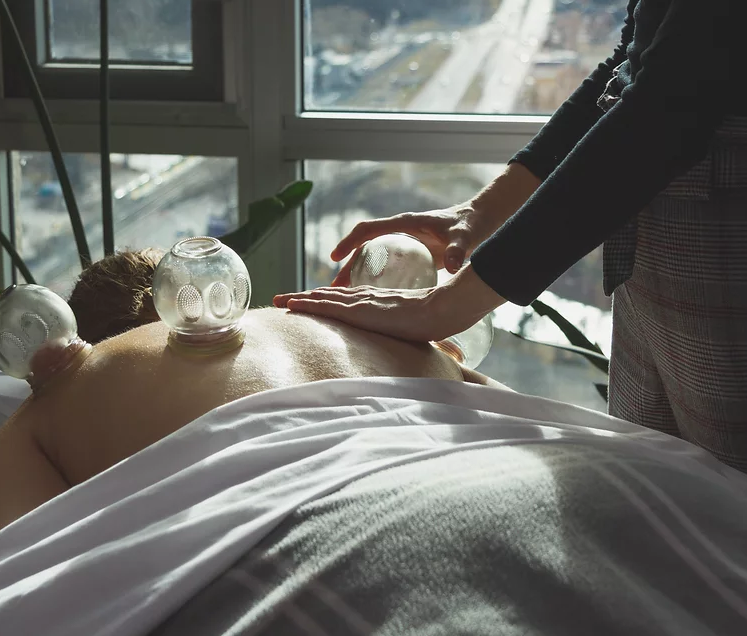
Fire Cupping (Bá Guàn)
Fire cupping is a traditional therapy that involves placing cups on the skin to create suction. This suction is achieved by briefly heating the air inside the cups with a flame before placing them on the skin. As the air cools, it creates a vacuum that pulls the skin and underlying tissue into the cup.
-

Moxibustion (Zhēn Jiǔ)
Moxibustion is a heat therapy that involves burning the herb Artemisia Vulgaris (Mugwort) over acupuncture points or areas of the body. Moxibustion is used to help warm the organs, enhance digestive function, increase energy, and increase blood flow.
-

Massage (Tuī Ná)
Tuī Ná is a therapeutic form of massage that has been utilized for thousands of years in China for pain relief and to help treat injuries and illnesses. Various techniques are used to invigorate or calm the system depending on the clients needs, such as - gliding, kneading, rocking, pulling, pinching, friction, and rolling. Tuī Ná is commonly used to compliment acupuncture treatments to enhance blood flow and relax the nervous system.
-

Food Therapy (Shí Liáo)
Shí Liáo, or Traditional Chinese food therapy, identifies and applies the medicinal properties of various foods and eating habits as a way of preventing and curing illness. The foods we choose to eat, how they are prepared and paired, the time and seasons we eat certain foods, and our state of being while we eat all affect how well our food nourishes us. There isn't a 'perfect' diet that works for everyone, the food we eat should change according to our internal health and external environment.
Now accepting new Acupuncture and TCM clients.
FAQs
Is Acupuncture safe?
Yes! Acupuncture is safe, and has minimal risks when performed by an adequately trained and registered professional. The needles used during an acupuncture session are high quality, sterile, and single-use, which are disposed of immediately after your session.
Are there any side effects to acupuncture?
There are a few mild side effects that are associated with acupuncture. Most commonly people report feeling an “acupuncture high” for a short period after their first treatment, this can include slight dizziness and light headedness due to the release of endorphins. Other side effects may include small bleeding, bruising and soreness at the sight of needle insertion.
What can I expect during my treatment?
During your first treatment, your acupuncturist will conduct an assessment and ask questions about your health information and history. A general physical examination will be performed, this will include taking your pulse and looking at your tongue for diagnostic information. Depending on the condition and area of the body being treated, you may be asked to remove clothing to access important acupuncture points. Following the assessment, a treatment plan will be created and discussed with you.
Can I receive acupuncture while pregnant?
Yes! Acupuncture is safe during pregnancy and can help relieve many pregnancy and postpartum conditions and symptoms. Because there are some acupuncture points that are contraindicated during pregnancy, it is important to inform the practitioner if you are pregnant, or trying to become pregnant.
Does acupuncture hurt? What does it feel like?
Acupuncture needles are very thin, about the same thickness as a human hair! Most people only feel a very small amount of pain or a ‘pinch’ during the initial insertion of the needles. After that there shouldn’t be any discomfort caused by the needle, but the patient may feel a variety of other sensations. This can include electrical sensations, pressure or welling, feeling of warmth, or a dull achy feeling at the sight of the needle.
How often do I need acupuncture treatment?
The frequency of treatment needed varies and depends on the condition being treated, and the severity of it. Research shows that acupuncture treatments are cumulative, meaning that the effects build upon the last treatment. For this reason, it is usually recommended that patients initially book treatments closer together.
Your Acupuncturist will develop a treatment plan with you on your first appointment depending on your individual needs and availability.
How should I prepare for my treatment?
▪ Fill out your patient intake form ahead of time
▪ Wear loose, comfortable clothing if possible. This will allow for easier access to acupuncture points on the legs and arms
▪ Avoid consuming caffeine or alcohol before your treatment
▪ Eat a light meal before acupuncture to assure you have appropriate nourishment for your treatment
▪ Schedule time after your appointment to rest and allow the effects of the treatment to settle
-
Initial Acupuncture - 90mins
Full initial intake, patients history, and assessment. Followed by acupuncture treatment which may include fire cupping, moxibustion, massage, scraping and Chinese food therapy.
$120
-
Return Acupuncture - 60mins
Reassessment of patients condition followed by acupuncture treatment which may include fire cupping, moxibustion, massage, scraping and Chinese food therapy.
$90
Questions?
If you have any questions regarding acupuncture or Traditional Chinese Medicine treatment, please reach out! Send Tayler a message using the form, or book a free 30 min consultation to see if acupuncture treatment is right for you.